OPEN SOURCE / О нас

Знакомьтесь: наша команда

Мы — команда разработчиков, приверженных принципам Open Source
Founder & Project Lead

Дмитрий Плужников

Проект с открытым исходным кодом Greengage DB был создан и запущен в 2024 году под руководством Дмитрия — после того, как Greenplum перешел на модель с закрытым исходным кодом.

Дмитрий работает в IT-индустрии более 16 лет. За это время он прошел путь от инженера до руководителя сложных технических проектов в сфере Big Data.

Software Architect

Дмитрий Воронков

Дмитрий — квалифицированный R&D-архитектор с более чем 17-летним опытом проектирования и оптимизации MPP СУБД.

Дмитрий обладает опытом работы с PostgreSQL, Greenplum и Tarantool. Среди его ключевых вкладов в развитие Greengage DB — инструменты для мониторинга запросов, системы резервного копирования, а также коннекторы для интеграции распределенных систем хранения и обработки данных.

Lead Maintainer

Василий Иванов

Василий имеет более 12 лет опыта работы в индустрии. Он является экспертом по внутреннему устройству Greenplum и PostgreSQL, а также ведущим разработчиком Greengage DB.

Он вносил значительный вклад в развитие Greenplum до момента архивации репозитория. Последние несколько лет Василий также занимается наставничеством молодых C-разработчиков.
Software Architect

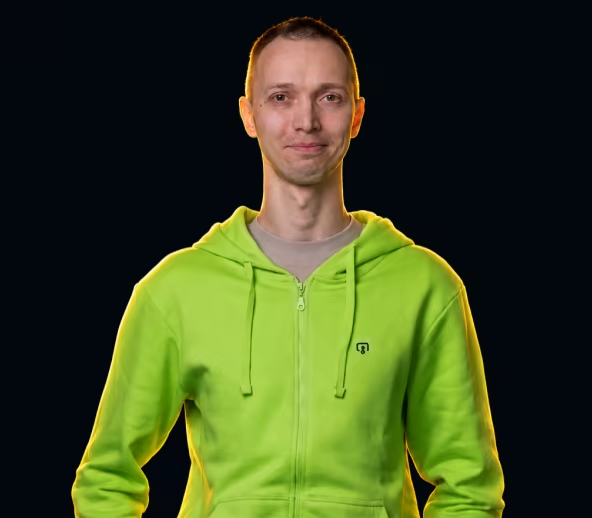
Андрей Шитов

Андрей занимается проектированием и разработкой высоконагруженных систем анализа данных уже более 12 лет.

В своей работе Андрей фокусируется на распределенных хранилищах и MPP-базах данных.

Он также консультирует коллег по вопросам наиболее эффективного использования технологий ETL и LakeHouse.

Software Architect

Андрей Cавицкий

Андрей работает над высоконагруженными распределенными системами и MPP-базами данных уже более 12 лет.

В настоящее время он занимается проектированием архитектуры Greengage DB, а также исследует и публикует подходы к оптимизации и масштабированию ее ядра.

Software Architect

Ольга Сергеева

Ольга — архитектор Greengage DB; она работает в IT-индустрии более 15 лет. Обладает опытом работы в качестве разработчика и архитектора с PostgreSQL и высоконагруженными системами.

Специализируется на преобразовании требований клиентов и инициатив по улучшению продукта в архитектурные решения.
SOFTWARE ENGINEER

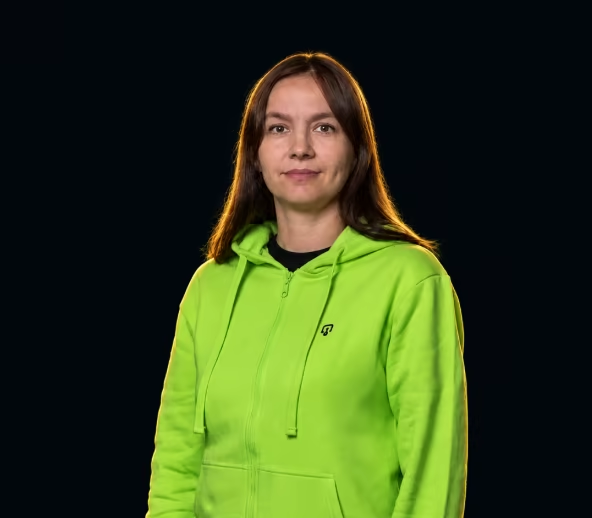
Роман Ескин

Роман обладает более чем 15-летним опытом разработки программного обеспечения, специализируясь на низкоуровневом программировании и взаимодействии с аппаратным обеспечением.

За последние три года он принимал активное участие в разработке распределенных СУБД, работая с Greenplum и Greengage DB.

SOFTWARE ENGINEER

Александр Кондаков

Александр — начинающий исследователь в области баз данных, увлеченный проектами с открытым исходным кодом. Он входит в команду Greengage DB с самого начала ее существования, участвуя в разработке новых функций и работая над стабилизацией системы, чтобы обеспечить надежность базы данных в условиях промышленной эксплуатации.

Ему нравится погружаться во внутреннее устройство Greengage DB и PostgreSQL и делиться тем, что ему удалось обнаружить.

DOCUMENTATION LEAD

Дарья Барышева

Дарья руководит разработкой технической документации. У нее более 18 лет опыта работы в IT-индустрии, в том числе 13 лет — в сфере бэкенд-разработки и системной аналитики.

Дарья отвечает за формирование бэклога для технических писателей, проверку кода, а также за публикацию документации с помощью автоматизированных CI/CD-пайплайнов.

Бортовой журнал

От самого первого релиза до появления новых возможностей — изучите ключевые этапы развития базы данных, созданной в открытом формате.
GREENGAGE_DB
~/greengage_db/captains-log
@dpluzhnikov·Session active
A new journey begins

Today Greengage DB begins its journey as an open-source MPP database built on Greenplum. The project brings together experienced contributors who want development to continue in the open, with a new name and new principles for how the community is governed.

== THE STARTING POINT ==
In May 2024, Greenplum’s repositories were archived. The contributors who had helped develop the database joined forces around an independent project, preserving a path forward for its users and its open-source community.

== TWO BRANCHES, ONE PROJECT ==
Development will continue on Greengage 6.x and Greengage 7.x, based on the corresponding Greenplum branches. The launch establishes the project; the work ahead is to maintain and develop these branches under the Greengage name.

This is the first page in our log: the point where that shared effort becomes a public project.

done 19 SEP 2024
Our first releases

The first Greengage releases are ready: 6.28.0 and 7.3.0. With both branches now available, the project has moved from its launch announcement to software that the community can download, deploy, and explore.

== FIRST DELIVERY ==
Greengage DB 6.28.0 is available through our website together with a quick-start guide. It carries forward the Greenplum source and adds improvements that were already being discussed upstream before the original project was archived. Greengage DB 7.3.0 is available from the project repository.

== DEPLOYMENT NOTES ==
The announcement lists Ubuntu 22.04, CentOS 7, and RHEL 7 as deployment platforms for these initial releases. This is the environment recorded at this milestone; current platform support belongs in the latest release notes.

Our website will carry subsequent releases and important project updates, giving the community one place to follow the next steps.

done 31 JAN 2025
Knowledge, rebuilt and shared

A new Greengage DB 6 documentation release is now available. This update expands the material on access management, database maintenance, and data management, adding another layer to the practical knowledge users need when running a cluster.

== REBUILDING THE MANUAL ==
When Greengage began, the team chose to rewrite the documentation from the ground up. Many articles inherited from the original project no longer reflected what users needed. Technical writers now create fresh explanations and examples, check the legacy material for gaps, and describe functionality developed specifically for Greengage.

== REVIEW BEFORE PUBLICATION ==
Articles pass through the architecture committee and key developers before publication. That review connects the written guidance to the people designing and implementing the database.

The May update follows documentation releases in January and March. Together, they record the steady work of making the project easier to learn and operate, one reviewed article at a time.

done 12 MAY 2025
A guided first step

Our first video quick-start guide is published. It gives newcomers a way to watch a Greengage deployment unfold, with explanations and examples alongside the steps. The recording is attached below for anyone making their first journey through the setup.

== FIELD RECORDING ==
The team approached this as a spoken technical article. It goes beyond a sequence of commands, adding the context behind the setup and practical examples for a first deployment. Readers can follow the written material, watch the demonstration, or use both together.

The guide is available on YouTube and from the project’s main page. A contribution-focused video was also announced as the next recording, extending the same format to people who want to help develop Greengage.

Attachment: the original quick-start recording, linked from the publication announcement.

done 17 JUN 2025
A clearer path aboard

We have published a practical route into contributing to Greengage. The guide follows a patch from preparation through testing and review, making the process visible to developers joining the project from outside the core team.

== PREPARE THE PATCH ==
Start by reviewing the contribution guidelines, contributor agreement, and Code of Conduct. Fork the repository, build Greengage, and keep the change on its own branch. New functionality should arrive with regression tests; run the relevant tests locally before opening a pull request.

== THROUGH THE REVIEW QUEUE ==
After an initial review, the project runs its build and automated tests. A successful test run is required before merging. Reviewers then examine the change, discuss questions with its author, and arrange a final review once the patch is ready.

The guide also invites ideas and feature requests through GitHub Issues. A useful contribution can begin with a clear description of a problem encountered while using the database.

done 26 SEP 2025
More visibility into your cluster

This month’s update brings more ways to see what is happening inside a Greengage cluster. Alongside Greengage DB 6.30.1, the team released the first greengage-exporter and ready-made Grafana dashboards for collecting and exploring cluster metrics.

== OPERATIONS UPDATE ==
Released on March 13 and covered in the March 16 announcement, version 6.30.1 adds Ubuntu 24.04 support and accommodates both Python 2 and Python 3. Parallel data-retrieval sessions gain resource-group support and become visible in pg_stat_activity.

Temporary tables also get a dedicated monitoring extension, temp_tables_stat. Together with the exporter and dashboards, these changes give operators additional views into cluster activity.

== REPOSITORY NOTE ==
The announcement records another project change: the default branch of the Greengage repository now follows version 7.x. The 6.x release and the repository update are separate parts of the same progress report.

done 13 MAR 2026
Connecting to Apache Iceberg

The Iceberg work previewed in our engineering blog has reached a release milestone. PXF 6.16.0 adds reading and writing of Iceberg data through Hive Metastore and REST catalogs, starting with Greengage DB 6.31.0.

== FROM CONNECTOR DESIGN TO RELEASE ==
The earlier article explored the pieces behind the integration: catalogs locate table metadata, snapshots identify a table’s data files, and partition information helps determine which files a query needs. It also examined how work is divided across the database’s segments.

== COORDINATING THE WRITE ==
The release introduces a master commit protocol. Metadata from executors is collected at the coordinator, and the write is finalized through a single request to PXF. This is one of the mechanisms supporting the new write path.

PXF 6.16.0 also adds monitoring dashboards, Prometheus metrics for the ClickHouse connector, and an ORC reader. The release notes provide the exact compatibility and configuration details for this milestone.

done 30 JUN 2026
More control as clusters evolve

Greengage DB 7.5.0 gives operators more control as their clusters change. The release adds ggrebalance for shrink and rebalance operations, alongside better query diagnostics and further work on the upgrade path from Greengage 6 to 7.

== A CLUSTER CAN CHANGE SHAPE ==
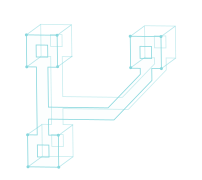
The engineering series explains why shrink requires more than switching off a segment. Data must be redistributed, remaining segments placed sensibly, and mirrors considered as part of the new layout. The diagram above shows a cluster with fewer segments on the same hosts.

For shrink, ggrebalance moves data from the segments being removed into the remaining ones. Its state-machine approach records progress, supports resuming interrupted work, and provides rollback paths. Rebalance planning then aims to distribute segments evenly while limiting unnecessary moves.

== MORE SIGNAL FROM THE DATABASE ==
Version 7.5.0 adds pg_wait_sampling and richer EXPLAIN ANALYZE reporting. Upgrade changes include additional pre-checks and fixes for moving from the 6.x branch to 7.x. The release ties these operational improvements together; the linked articles explain the engineering behind them.

done 23 JUL 2026
dpluzhnikov >
010203040506070808 entries · Oldest first

Наши принципы

Принципы, которыми мы руководствуемся в процессе разработки, совместной работы и приема новых участников.

Выберите свой способ внести вклад

Улучшите код, протестируйте релиз, дополните документацию или расскажите, что бы вы хотели увидеть в Greengage.

Начните вносить свой вклад

Пройдите весь путь: от выбора задачи до подготовки, тестирования и отправки внесенных вами изменений.

Читать памятку

Нормы поведения

Ознакомьтесь со стандартами уважительного общения и участия в нашем сообществе.

Читать на GitHub

Индивидуальные участники

Индивидуальное лицензионное соглашение контрибьютора (Individual Contributor License Agreement, ICLA) — как внести вклад в проект индивидуальному участнику.

Скачать ICLA

Корпоративные участники

Корпоративное лицензионное соглашение контрибьютора (Corporate Contributor License Agreement, CCLA) — как внести вклад в проект от имени организации.

Скачать CCLA

Присоединяйтесь к нашему сообществу

Мы приветствуем всех на борту